
Symptoms & Progression
The first symptom of choroideremia (CHM) is usually night blindness, which often appears in childhood or early adulthood. This is followed by loss of vision in the mid-peripheral area, which can begin in the late teens or twenties. These “blind spots” typically form an irregular ring, leaving only patches of peripheral vision while central vision remains intact. Over time, peripheral vision loss progresses in both directions, eventually leading to “tunnel vision” in the thirties or forties.
Other changes may include reduced visual acuity, diminished depth perception, color vision changes, increased sensitivity to glare, and worsening night blindness. The rate of progression and the severity of vision loss vary widely among affected individuals, even within the same family.
The below images demonstrate the typical progression of vision loss in a male affected by choroideremia (CHM) from childhood through adulthood.

Vision with CHM as a Newborn

Vision with CHM at Age 15

Vision with CHM at Age 25

Vision with CHM at Age 35
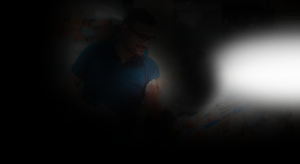
Vision with CHM at Age 45

Vision with CHM at Age 55
In addition to changes in the visual field, people with CHM may also experience:
The rate and severity of progression vary widely, even among member of the same family. Some individuals may retain useful vision well into later adulthood, while others may experience more rapid decline.

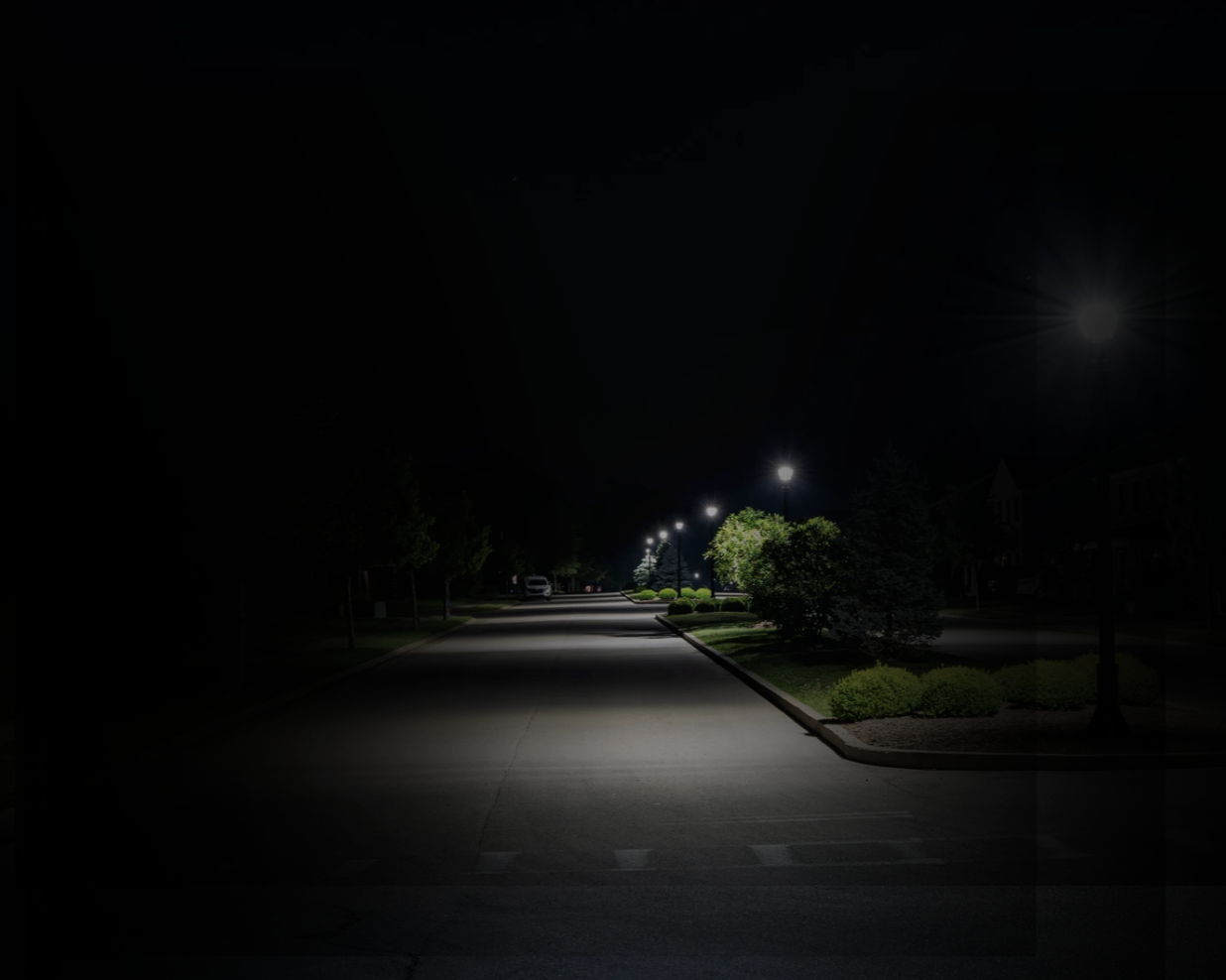
Example of the Impact of Choroideremia (CHM) Over Time
Video credit: Biogen

CRF is registered as a US 501(c)3 nonprofit organization EIN: 04-3511754
Our mission is to raise funds in support of scientific research leading to a treatment or cure of choroideremia, a hereditary retinal-degenerative disease that causes blindness; to educate people affected by the disease; and to inform the public.







©Copyright 2025 The Choroideremia Research Foundation Inc. All Rights Reserved.